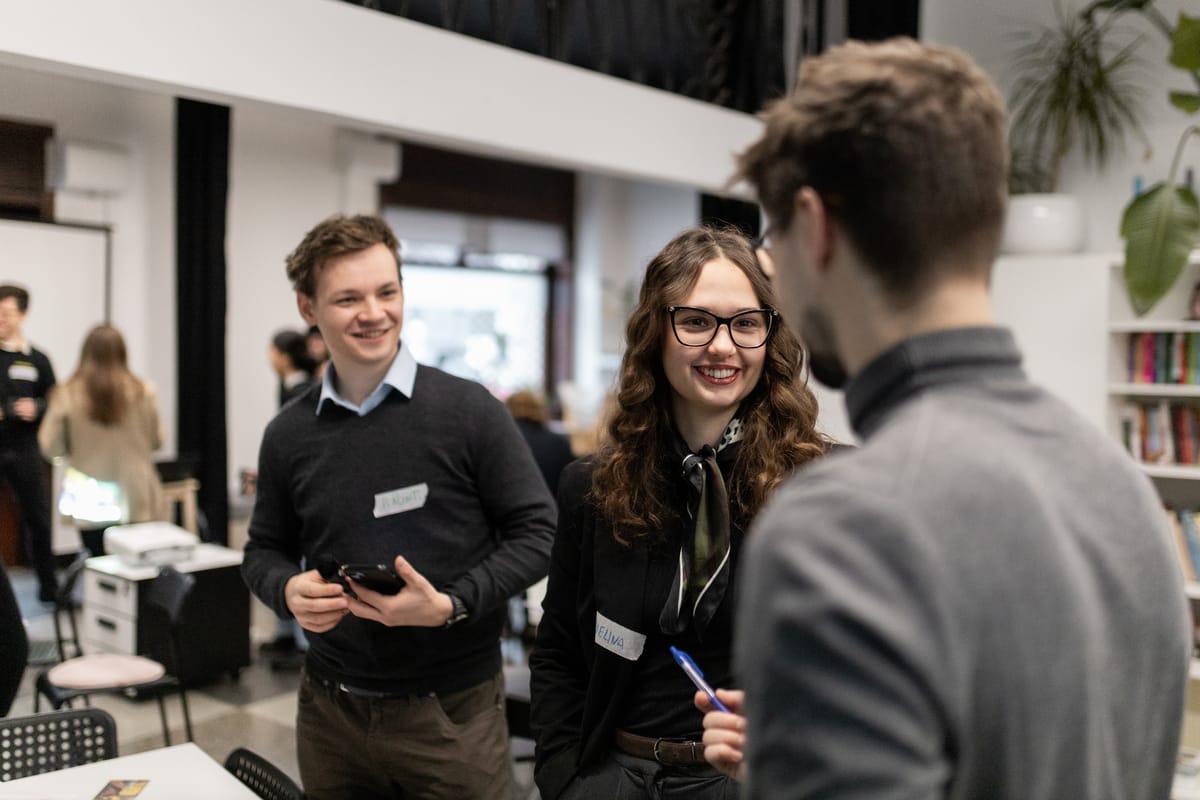
On a cold, foggy Friday morning, my plane landed in Poland. I arrived to participate, as both an organiser and a participant, in this year’s edition of the Youth Dialogue Forum. It was held in the city of Kraków, an old Polish city that beautifully blends different eras of history. Gothic, Renaissance, and Baroque styles, Secessionist art, and socialist-era architecture all left their distinctive imprints, but combined to have an irresistibly charming effect on anyone discovering the city. The choice could not have been better for a forum that gathers the youth of the Visegrad Four countries, who hold very diverse worldviews, opinions, opinions and beliefs.
It was not the first time that the Youth Dialogue Forum (YDF for short) was held. Rather, it followed in the footsteps of a successful first edition organised in 2024. The YDF's aim is to foster democratic youth participation through innovative, gamified participatory processes. Months of work culminated in Kraków, where, this time around, youth from all V4 countries, namely Slovakia, Czechia, Poland, and Hungary, were represented.
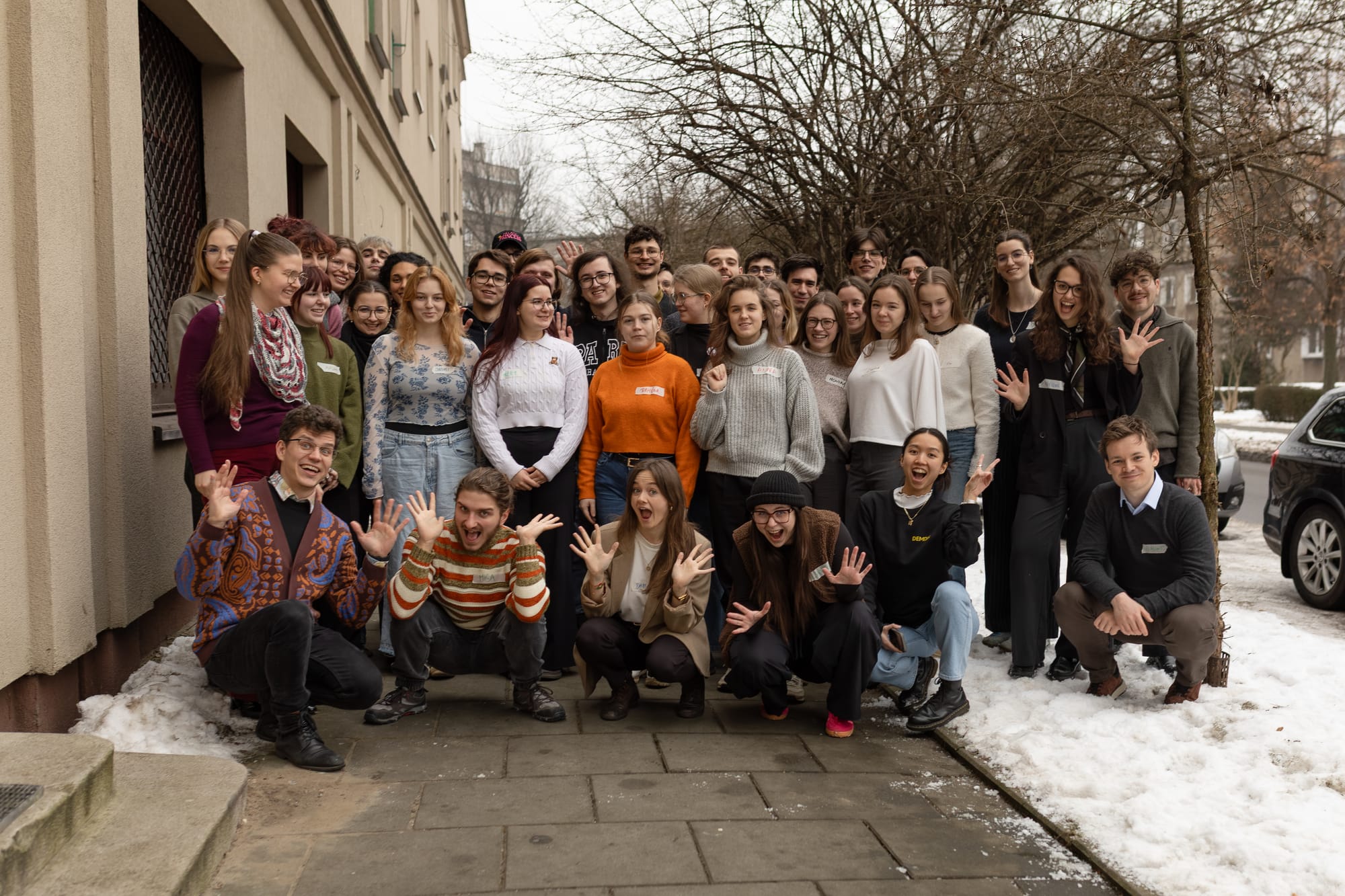
I arrived early to find the city under snow and freezing cold. Despite never having set foot in Kraków before, I managed to find my way to the accommodation, arriving earlier than most, aside from the main organisers and coordinators from DEMDIS: Michal, Van Anh, and Mikael, who were already deep in work. Seeing their efforts, I knew that the two-day-long event would be worthwhile, and as it turned out, I could not have been more accurate.
As participants slowly started to arrive, we headed to the first and the most important part of the whole event: namely, the dinner. Besides the excellent food, we got to meet each other, for most for the very first time. Many, if not most, were still students completing their undergraduate or graduate studies at their respective universities. Others had already several years of work experience already, while few were still beginning their studies in higher education. Nonetheless, this amalgam of not only many nationalities but also experiences made the dynamics exciting right from the get-go. As the dinner progressed, we all got to know each other and, with progressively fuller bellies, we looked forward to the days to come.
Something that remains much needed is ensuring that our voice, the voice of the youth, is heard. It was to respond to this very issue that the idea of the YDF first materialised in the head of Michal Horský, the founder and leader of DEMDIS, a Slovak civic organisation. For the past several years, he and his colleagues at DEMDIS have promoted digital and innovative methods of discussion to involve young people in important societal debates as best they could. Their efforts were recognised by being featured on the Forbes 30 Under 30 list in 2025, as well as being the national winner of the 2024 European Charlemagne Youth Prize.
Yet, he and others recognised that youth not only needs to be vocal on issues that it faces, but also requires a structured platform to voice its views. Equally important is that these challenges, the ones that the youth is facing, know no borders. It is in that spirit that Michal and DEMDIS launched the first edition of the YDF in 2024, a forum that would bring Slovaks, Czechs, Poles, and Hungarians together to discuss the most pressing issues. Debating these issues both online and in offline spaces, the goal of YDF is not only to ensure that younger generations are heard by society and decision-makers at large, but also that youth empower each other and help each other better understand their own relationships to the wider societal issues at hand.
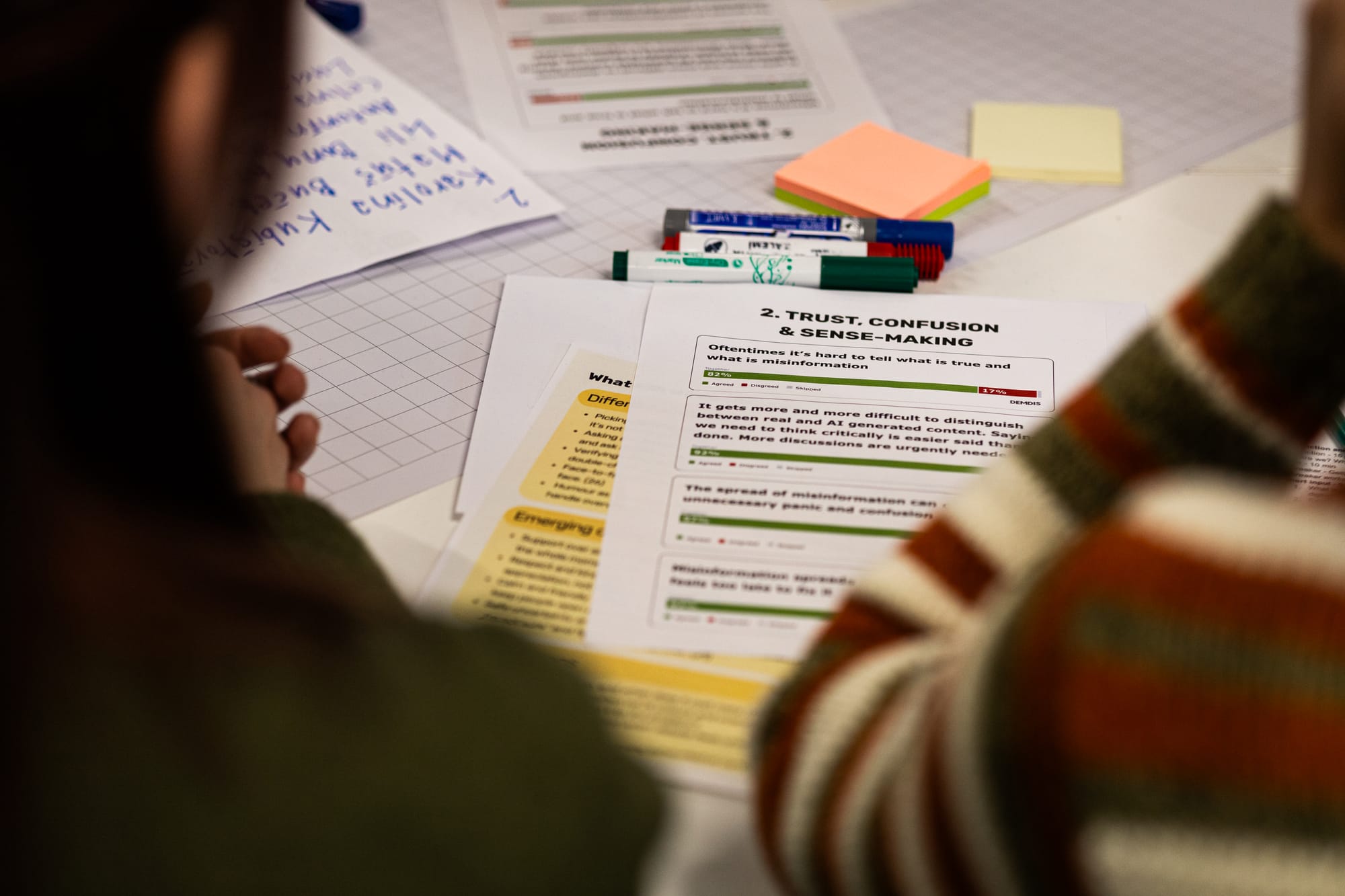
This year's topic, decided through a vote by more than 70 YDF ambassadors, was misinformation and fake news, discussed during the two-day-long event. The topic was then debated by more than 1,500 participants, casting over 43,000 votes on several statements made on the topic. [Link to the report] These results were essential to prepare the forum and guide the organizers through the whole event.
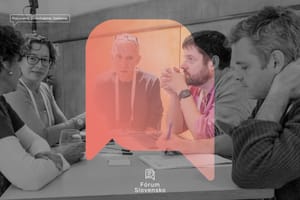
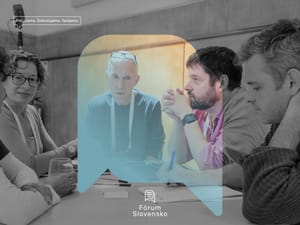
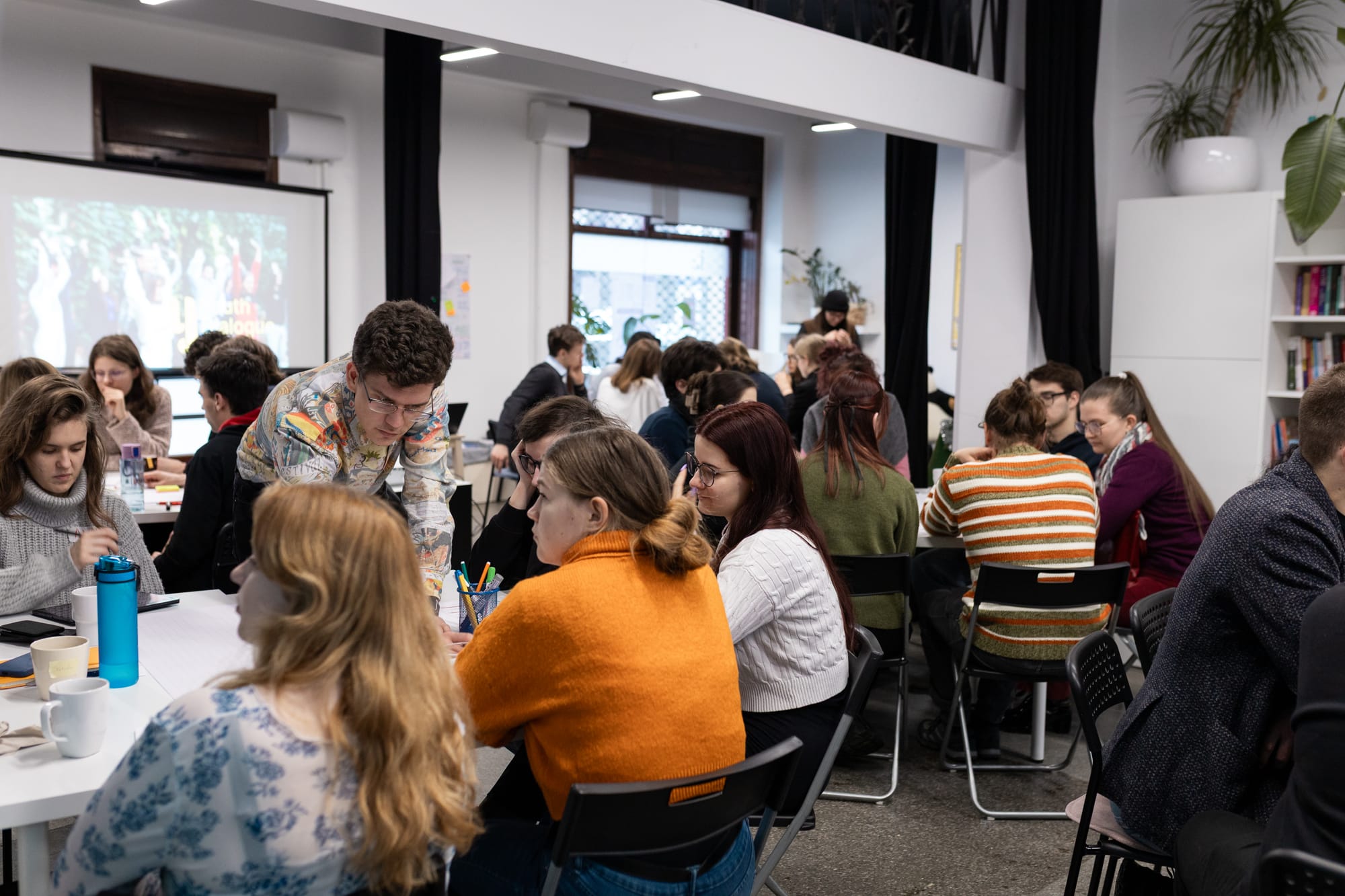
Saturday was by far the longest but also the most productive day, during which, from early morning to late afternoon, participants took part in lively discussions about misinformation: about its nature and the forms it could take; on how it affects our daily lives and the lives of friends, family, and acquaintances; and finally, what we can do through concrete and tangible recommendations to counteract it and to give ourselves tools to navigate these uncertain times. It was a tiring day but very rewarding, and we celebrated by exploring the old city of Kraków and experiencing its nightlife.
When Michal reached out to me last year and asked me whether I wanted to participate, I immediately knew what my answer would be. The representation of the youth was always something close to my heart, and as one of the directors of my student organisation, the Hungarian Youth Association, we have been doing that for years. I also knew that cooperation such as this one, in particular among all V4 countries, is rare and valuable, and I wanted a part in it. I also cannot emphasise enough how important it is to foster trust among the youth of neighbouring countries, and I think in that, we have greatly succeeded.
Sunday was the last day of the forum, during which we discussed our findings, shared our experiences, and takeaways of the event. At that moment, looking through the group we had, I could not contain my satisfaction: after all, bringing about the forum was no smooth sailing. It was the culmination of months-long work and collaborative efforts led by DEMDIS, in which my organisation, the Hungarian Youth Association, as well as the Polish Fundacja Humanitarna Folkowisko, and the Czech České Budějovice 2028, took a major part in.
At this point, I cannot help but mention the work of our YDF ambassadors, whose work was integral to bringing about the forum. They helped relentlessly, not only to promote the event to a wider audience, but also they were the ones making sure that the opinions of hundreds of young people, through thousands of votes, could be gathered and collected. Later on, those who were the most successful ambassadors got a spot at the event, alongside the lucky winners among those who had expressed their opinions during the two digital discussions.
What I can say with all certainty, however, is that we will all cherish this experience and the friendships that were formed during these eventful two days
While writing these lines, my only regret is that my plane flew back early Sunday afternoon and I did not have a chance to explore further the beautiful city that we were all in.
Author: Bálint Györfi-Tóth (Director of Hungarian Youth Association)
The project is co-financed by the governments of Czechia, Hungary, Poland and Slovakia through Visegrad Grants from the International Visegrad Fund.